
More General News
-

Vital funding secured to improve Newport Community Library
Posted on Thu 16 Apr
-

New Oakengates library opens in heart of the town
Posted on Wed 15 Apr
-


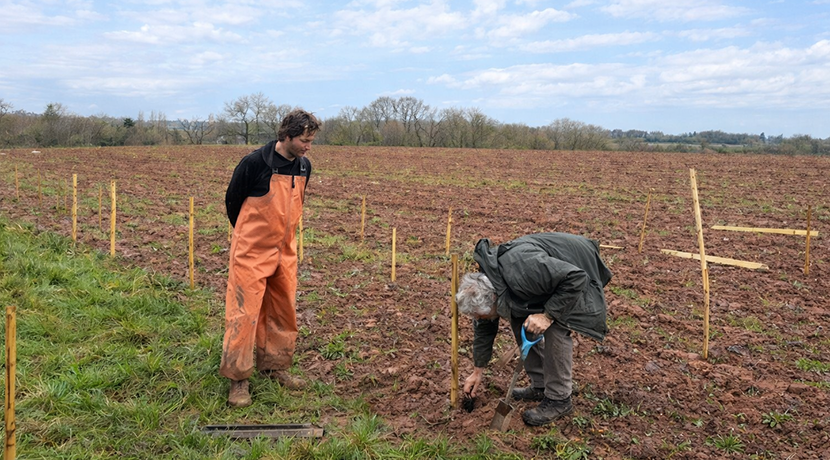
Thousands of trees will be planted this winter as part of an ambitious new Community Forest project in Shropshire. Set to be one of the largest woodland creation schemes in the region, the trees will be planted across Park and Quatt Farms on the National Trust’s Dudmaston Estate near Bridgnorth.
Delivered in partnership with the Forest of Mercia Community Forest, Quatt and Park farm tenants and fully funded through the UK Government’s national Trees for Climate programme, the project will create 185 hectares of new woodland and wood pasture by 2027.
In total, the scheme will establish more than110,000 native trees, new hedgerows, a wildflower-rich pasture, forming a mosaic of habitats designed to boost biodiversity, improve climate resilience, and strengthen ecological connectivity across the landscape. The new woodland will play a vital role in the National Trust’s long-term commitment to nature recovery, contributing significantly to regional and national climate goals.
Over the next century, the trees planted are expected to absorb around 45,000 tonnes of carbon, while also creating richer habitats for birds, insects, mammals, and plant life. The project has been designed in close consultation with the Estate’s tenant farmers to ensure a sustainable balance of farming and nature. The land will remain productive as it will form part of a traditional grazing system with a beef herd that will also support biodiversity and be more resilient to changing weather patterns.
With the project taking shape within England’s network of 15 Community Forests, Dudmaston will join a national effort to connect more people with nature through large-scale woodland creation, habitat restoration, improved public access, and community engagement. Local people will be invited to take part in a programme of community planting events, offering opportunities to help put trees in the ground and be part of the estate’s evolving landscape.
The project will also enhance future visitor experiences on the estate, with new and improved walking routes through diverse, wildlife-rich wooded landscapes.