
More General News
-

Cue the entertainment for charitable cause
Posted on Fri 01 May
-
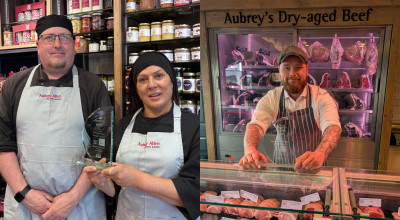
Leamington Spa Butcher wins top national honour at Smithfield Awards
Posted on Fri 01 May
-
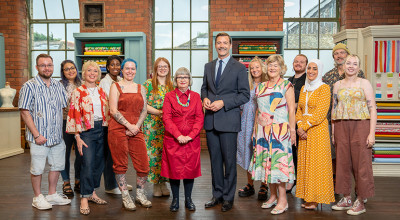
Contestants wanted for new season of The Great British Sewing Bee
Posted on Thu 30 Apr

Thousands of people across the West Midlands will get the chance to roll up their sleeves and reconnect with nature as a new campaign gets under way.
Thirteen community groups have been awarded a share of £30,000 to put on a packed programme of free events throughout March, helping even more people discover and improve the green spaces on their doorstep.
The Nature Call to Action Campaign is the latest initiative in a plan launched last year by Mayor Richard Parker to protect and enhance nature while unlocking benefits to the health, wellbeing, and prosperity of communities and businesses.
A month of hands-on activities will include restoring wildlife habitats, planting trees and opening up hidden urban green spaces for more people to enjoy.
The full list of events is on the WMCA website.
The full list of projects funded by the Nature Call to Action campaign are:
- Birmingham Settlement
- Open House Community, Birmingham
- Groundwork West Midlands, Coventry
- Hawbush Community Gardens, Dudley
- Aspire4U CIC, Dudley
- Warley Woods Community Trust, Sandwell
- Ideal for All, Sandwell
- Ashley Community & Housing Ltd (ACH), Solihull
- Meriden Adventure Playground Association, Solihull
- Lifegate Outreach Centre, Walsall
- United Support Group CIC, Walsall
- Acts of Random Caring CIC / Gatis Community Space, Wolverhampton
- Severn Rivers Trust
Since the Mayor launched the West Midlands Local Nature Recovery Strategy (LNRS) last year, communities across the region have been supported with almost £50,000 to take their own action to protect nature and improve air quality, helping to support residents’ health.
This funding has been delivered through the Nature Call to Action Campaign, which supports LNRS priorities, alongside the Clean Air Small Sparks Fund and the Community Environment Network’s Small Sparks Fund.
The LNRS includes 62 actions that will give green spaces, waterways and wildlife across the West Midlands their biggest helping hand to survive and thrive.
It was developed by the West Midlands Combined Authority (WMCA) in partnership with local councils and environmental organisations, community groups, businesses, schools and colleges, universities, landowners, farmers and developers, so everyone can get involved.
The WMCA’s Community Environment Network connects grassroots groups working to protect and improve the environment so they can share ideas, maximise their impact, and inspire more people to get involved.
The network currently has almost 300 members – groups can find out how at join at wmca.org.uk