
More Visual Arts News
-
Coventry to host landmark British Art Show 10
Posted on Wed 16 Sep
-
Artist in Residence announced at Coughton Court
Posted on Mon 07 Sep
-
'Meet Rembrandt' at Upton House and Gardens
Posted on Thu 23 Jul

We’re facing a nature crisis, but there’s hope. This exhibition explores how people in the past lived more sustainably, using less stuff, less energy, and making space for nature. These examples from history can inspire us to make positive changes today.
The exhibition was initially inspired by the local history of flooding, which affects the Pump Rooms very directly. As the climate changes, Leamington’s evolving relationship with the river must come under the spotlight. Gaining support from the Natural History Museum’s Fixing Our Broken Planet programme encouraged curators to expand the story and look at food production, waste, and the wider nature crisis.
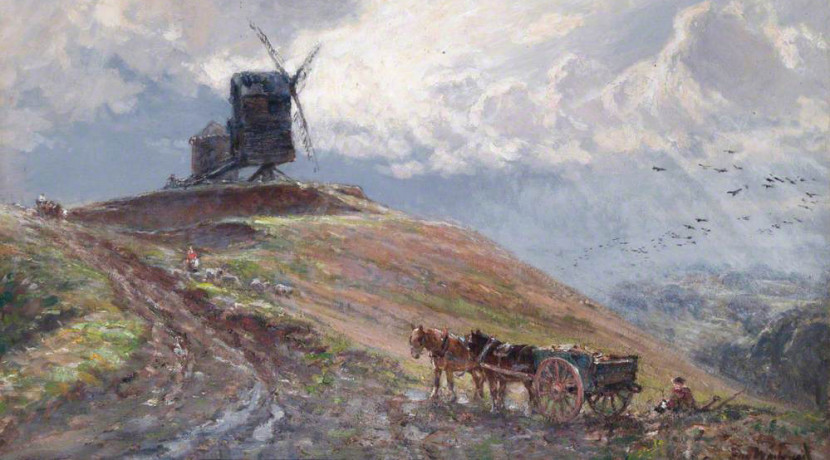
The displays include everyday objects that were repaired, reused, and made from sustainable materials from 17th century ceramics to a 1930s vacuum cleaner, as well as beautiful artworks showing the transformation of our landscape; Thomas Baker and Elizabeth Whitehead landscape paintings are featured as examples. Hear from scientists, environmentalists and local changemakers, and find out how we, as individuals and communities, can make a difference.
There will be a series of linked events and resources aimed at schools and young people, exploring creative approaches to sustainability
In the temporary gallery itself, there will be an autumn tree mural painted by local artist, Suminder Virk, as an interactive backdrop and engagement area for children and families.
In the mezzanine there will be a small display exploring how artists and designers have taken inspiration from the beauty of butterflies, and reflecting on their importance as pollinators.
A Spotlight display in the main art gallery will showcase Warwickshire landscapes by artist Zoe Benbow, made during her residency with the Hosking Houses Trust in Clifford Chambers.
There will also be sustainability activities for children, young people and families in the gallery during October half term on Friday 30 October; as well as two events. On Friday 23 October, stained glass expert, Aidan McRae-Thomson will reveal all about how to repair a stained glass window and on Saturady 24 October, Rupert Brakspear will deliver a presentation, demo and workshop on finding, collecting, preparing and working with ‘wild’ naturally occurring clays that were used for construction in the past.
Additionally, there will be a symposium for emerging researchers and early career professionals focused on new work at the intersections of art, heritage and sustainability.
Leamington Spa Art Gallery & Museum and Warwick Institute of Engagement will also host a takeover day on Saturday 7 November where scientists from the University of Warwick will present cutting-edge research to the public.
Leamington Spa Art Gallery and Museum houses over 14,000 artworks and historical artefacts and is free to enter.
All information about the wraparound events can be found on the website.