

More Music News
-
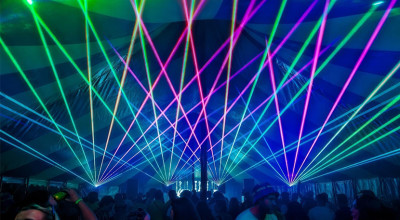
Parklands Festival returns to Telford for fourth year
Posted on Thu 04 Jun
-
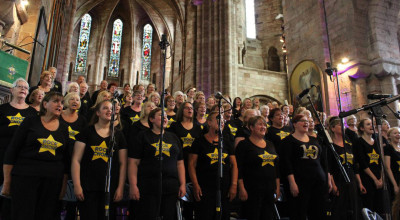
Rock Choir bring The Power of Song to Shrewsbury Abbey
Posted on Fri 29 May
-

Top shows coming to Birmingham Arenas this summer
Posted on Fri 29 May

While Britain's live music scene fights for survival, one small town is doing something radical: thriving. Next month, Shrewsbury hosts 250 artists across 40 venues at Loopfest which has grown into one of the UK's biggest festivals of its kind.
Now its founder is going further, using the festival's profits to open a new grassroots venue and creative hub for emerging artists. All of it built at a moment when festivals are folding, costs are spiralling and music venues across the UK are closing their doors for good.
Loopfest returns to Shrewsbury from 1-3 May with music icons Reef and Ash as headliners. It’s used its growth to launch the venue, Loop, which will support emerging artists year-round, with long-term impact.
The market town of Shrewsbury is better known for its Tudor architecture and its graceful loop in the River Severn than for its place on the national music circuit, but the town’s Loopfest has become one of the country's most significant independent festival events and that is, by any measure, improbable.
The creation of Loop marks a shift from event promotion to infrastructure building — providing a permanent space for artists to perform, develop and connect outside of the festival environment. As a grassroots music venue, Loop is designed to support original music, creative risk-taking and accessible programming — while also creating a safer, more inclusive space for underrepresented and marginalised groups.
By linking the success of the festival directly to the sustainability of a venue, Loopfest is challenging more traditional models, where events operate independently of the spaces they rely on. Instead, the approach ensures that success feeds back into the scene — strengthening the very foundations that allow live music to exist.
The Music Venue Trust, which tracks the health of small and mid-sized venues across the country, has documented the closure of hundreds of spaces in recent years. Many that remain are operating on margins that leave them one bad month away from also disappearing.
The Trust says the grassroots music sector contributes over £500m annually to the UK economy but remains structurally fragile, More than half (53%) of the UK’s grassroots music venues showed no profit at all in 2025, with UK Government changes to national insurance and business rates resulting in a loss of 6000 jobs (a 19% contraction in the overall workforce) as venues struggled to meet unsustainable tax burdens.
The festival landscape tells a similar story. Events that seemed firmly established have announced cancellations or fallow years, citing costs that have risen sharply since the pandemic — artist fees, production, security, licensing — set against ticket prices that audiences are increasingly reluctant to stretch beyond.
Against that backdrop, what is happening in Shrewsbury carries a significance that extends beyond the local. Loopfest is not simply a festival that has managed to survive where others have not. It is making an argument — practical, financial, demonstrable — about what independent live music can look like when it is run by people whose primary commitment is to the music rather than the return on investment.
Also appearing on the stage in a giant big top marquee will be Indie legends The Bluetones as an acoustic duo and Black Country singer/songwriter Jess Silk.
Loopfest began in 2022 with 80 artists in 17 venues on one day and has been growing every year since.
So far, it has been a triumph for Shrewsbury. Last year’s event brought a huge increase in the number of people visiting the town centre, with a 54 percent rise over the May bank holiday two years ago. The 2026 event is expected to be even bigger and better.
For more information about Loopfest, visit: Loopfest.co.uk